Household basement use
A recreation area used with the main home is a different starting point.

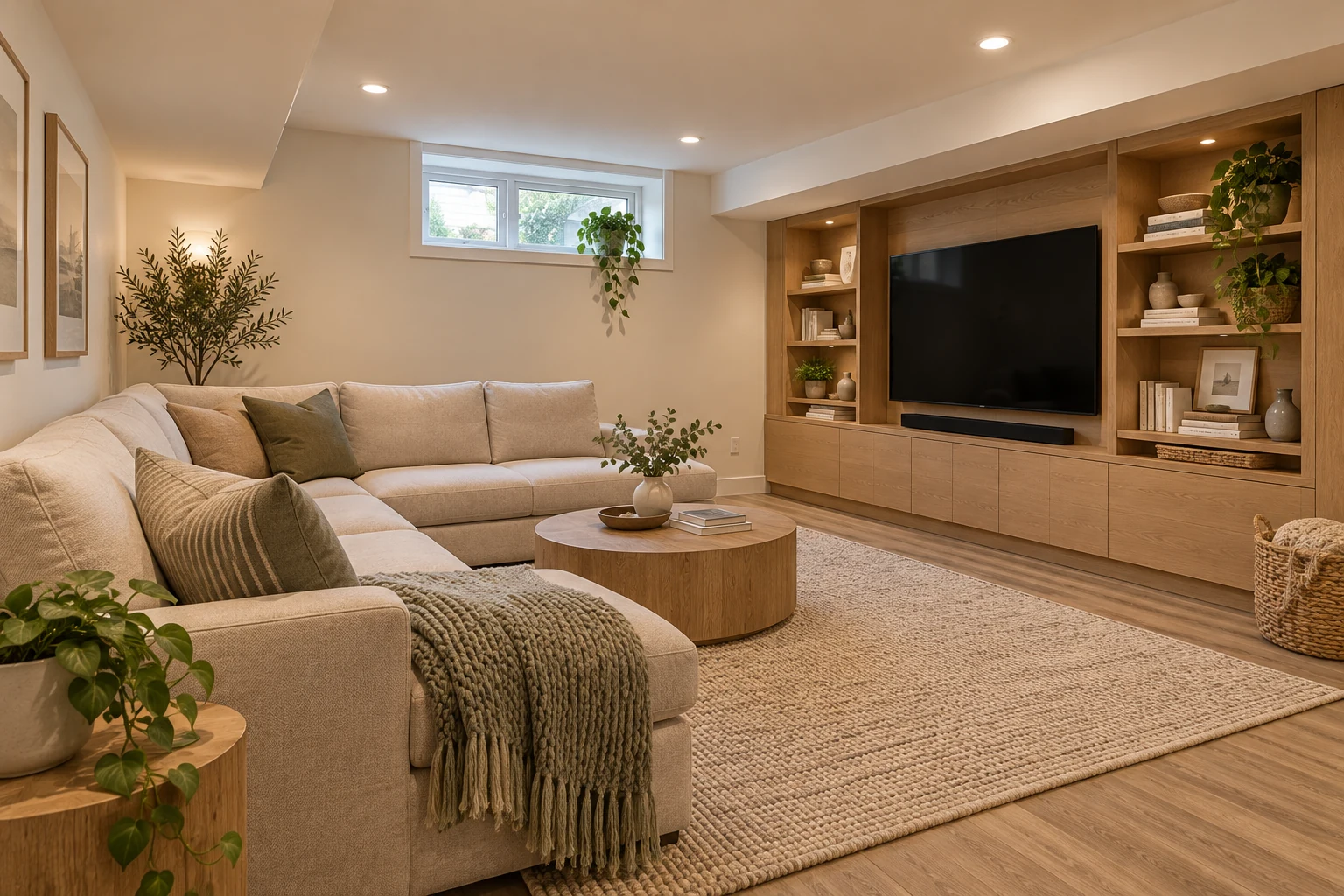
Feasibility first. Finishes second.
Plan My Project ↗Considering a separate basement dwelling? Begin with what your property can support and which approvals apply. A finished basement or a separate entrance does not, by itself, establish a legal dwelling.
A legal basement suite is a separate dwelling project, not simply a finished recreation room with a kitchenette. Establish the applicable requirements for the address and proposed use before committing to a layout or construction scope.
Explore Your Options ↓Use these topics to shape a complete project discussion. The final scope depends on your property and agreed services.
Illustrative conceptConfirm the responsible authority and current zoning pathway for the actual property.
Read the Property Feasibility Guide ↗Illustrative conceptDiscuss who will prepare the required drawings and what professional involvement the proposal needs.
Read the Qualified Design Guide ↗Illustrative conceptReview the complete dwelling arrangement, including intended sleeping areas and building services.
Read the Layout & Room Use Guide ↗Illustrative conceptEntrance, exit, fire safety and related design requirements need coordinated property-specific review.
Read the Access & Safety Guide ↗Illustrative conceptDefine application, construction and inspection responsibilities before work begins.
Read the Permits & Inspections Guide ↗Illustrative conceptConfirm any applicable licensing and occupancy steps with the City before offering the space for use.
Read the Rental Licensing Review Guide ↗A recreation area used with the main home is a different starting point.
A separate kitchen, bathroom and entrance raise specific approval questions.
Do not assume prior occupation proves the present configuration is approved.
ILLUSTRATIVE CONCEPTCollect available plans, past permit information and details of the intended use. Ask the City and the appropriate qualified professionals which current requirements apply. A contractor proposal cannot substitute for authority approval.
Your location, existing photos, preferred changes, approximate dimensions and any plans or approval information you already have.
A meaningful estimate starts with the scope and existing conditions. Compare the same inclusions and exclusions when reviewing proposals.
Timing also depends on decisions, material availability, any required approvals and site conditions. Discuss these before relying on a start or completion date.
Current zoning and existing approved use
Building conditions and proposed layout
Required design and professional services
Fire safety, access and service alterations
Permit, inspection and licensing responsibilities
Any property-specific servicing or external approvals
Describe the property, what is there now and what you want to change. Photos, drawings and a priority list make the first discussion more useful.
Review scope, existing conditions, materials, relevant design work and approval responsibilities. Identify decisions that affect the estimate and sequence.
Confirm the proposed work, inclusions, exclusions and next steps. Document changes and their effects before they are added to the project.
Every property is different. These answers help you prepare for a discussion of your specific project.
Ask About My Project ↗No. An entrance is only one aspect of a complete property and dwelling review.
The applicable requirements depend on the project and current rules. Use the qualified designer and City review rather than a generic web checklist.
No. Confirm the records and present requirements for the actual use and configuration.
No. Programs, deadlines and eligibility can change. Confirm directly with the administering authority.
Do not assume so. Confirm the authority responsible for the property.
Zoning, applicable restrictions, design requirements, permits, inspections, licensing and occupancy steps all need current property-specific confirmation.
A qualified designer and the City can help establish the relevant zoning, building and approval requirements for your address. The existing building, proposed use and current rules all matter.
Review the proposed layout, access and exits, ceiling conditions, fire safety, ventilation, services and any required inspections with the appropriate professionals. This is a planning overview, not a complete compliance checklist.
Confirm permit, inspection and any rental licensing requirements before work begins or the space is offered for occupancy. Discuss who will prepare drawings, submit applications and coordinate the required approvals.
Do not assume every property needs the same entrance arrangement. The acceptable design must be confirmed through the property-specific review.
No. Approval depends on the property, design, current requirements and authority review. Rental eligibility and income should not be promised as an outcome of construction.
Illustrative conceptUpdate an existing basement with a layout and finishes that suit how you use it.
Explore Basement Renovation ↗Illustrative conceptTurn unfinished basement space into a planned extension of your home.
Explore Basement Finishing ↗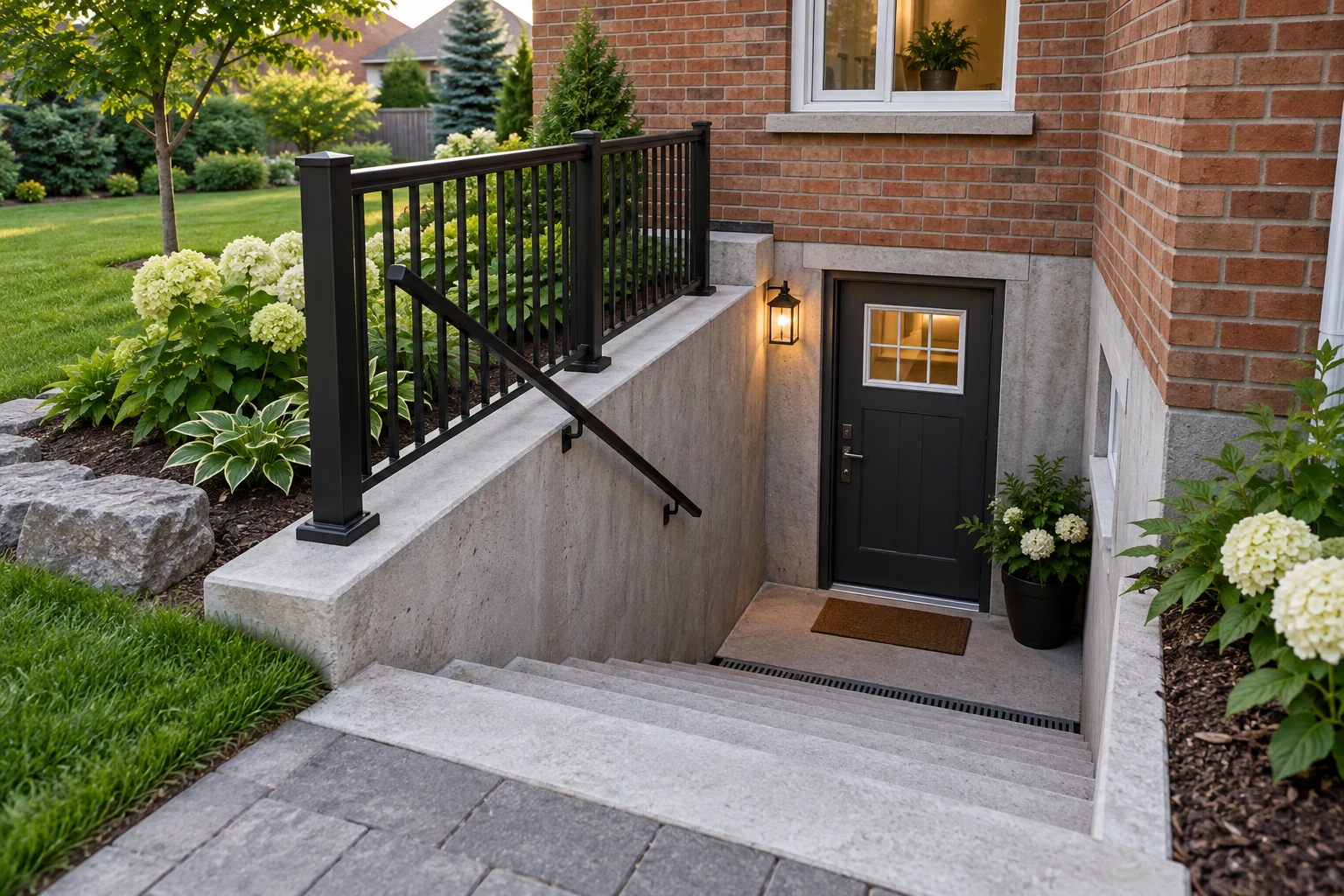 Illustrative concept
Review the access, structure and drainage involved in a separate basement entrance.
Explore Basement Walkouts ↗Share your city or postal code so availability can be confirmed. Approval requirements are set by the authority responsible for the property.
Tell us what you would like to change and where your property is located.
 Optimized by Seraphinite Accelerator